Why MMORPGs Are the Perfect Gateway to the World of Idle Games
Massively Multiplayer Online Role Playing Games (MMORPGs) have become a significant part of the gaming culture over the past two decades. Their massive worlds, compelling stories, and multiplayer interaction hold players’ attention for long durations. But what if we told you that these immersive experiences are also a perfect starting point for understanding the world of idle games? In this article, we’ll explore how MMORPGs provide a unique transition to idle games and why players find this shift so intriguing.
Understanding MMORPGs
MMORPGs offer vast, dynamic worlds filled with lore, quests, and a community of players. Games like World of Warcraft and Final Fantasy XIV exemplify this genre with their expansive realms and intricate quest systems. But what draws gamers to these environments?
Key Features of MMORPGs
- Complex Characters: Players can customize their avatars with various skills and looks.
- Social Interaction: Chat, trade, and team up with other players worldwide.
- Evolving Storylines: Game narratives can change based on players’ actions.
- Continuous Content Updates: Developers frequently enhance the game with new content and features.
Defining Idle Games

Idle games, also known as incremental games, compel players to strategize over time rather than through continual active play. Games like Adventure Capitalist or Idle Miner Tycoon enable players to progress while they are away, creating an easily accessible gaming experience.
Core Elements of Idle Games
- Progression While Away: Players accumulate resources even when not actively playing.
- Simple Mechanics: Often designed around straightforward clicker mechanics.
- In-depth Strategy: Engage in management and investment strategies to maximize gains.
Bridging the Gap: MMORPGs and Idle Games

Now, how do MMORPGs and idle games connect? There are several parallels that emerge when examining both genres.
Transitioning Game Styles

Players can enjoy the community and continuous update aspects of MMORPGs, while sometimes feeling overwhelmed by the real-time demands. Idle games offer a relaxing option to engage with gaming without the pressure to log in continuously.
Common Themes
- Resource Management: Both require players to manage in-game resources effectively.
- Leveling Up: The need for leveling, whether it’s characters or upgrades.
- Strategic Thinking: Players are encouraged to devise strategies leading to progress.
The Role of Updates: Building Player Bases

Consider a game like Clash of Clans. Its mechanism of updating the builder base closely resembles the preparation found in idle games. Every update provides new features and makes players return for more. This formulates a cycle of excitement and engagement.
Table of MMORPG Update Features and Idle Game Similarities
| Feature | MMORPG | Idle Game |
|---|---|---|
| Content Updates | Frequent expansions and patches | New items and features through events |
| Community Events | In-game festivals and contests | Time-limited offers |
| Resource Gain | Quest rewards, loot drops | Automatic resource collection |
Understanding Player Psychology
Why do players shift from MMORPGs to idle games? The answer lies in player psychology.
The Need for Autonomy
Some players crave less pressure and more control over their gaming experience. Idle games enhance this by enabling players to make decisions without being penalized for not logging in. The non-linear progression can feel liberating compared to the rigid structures of traditional MMORPGs.
Emotional Satisfaction
Both genres deliver emotional satisfaction, but in different ways. MMORPGs often elicit strong feelings from quests and interactions, while idle games provide gratification through slow but steady progress.
Exploring Delta Force: A Mobile Example
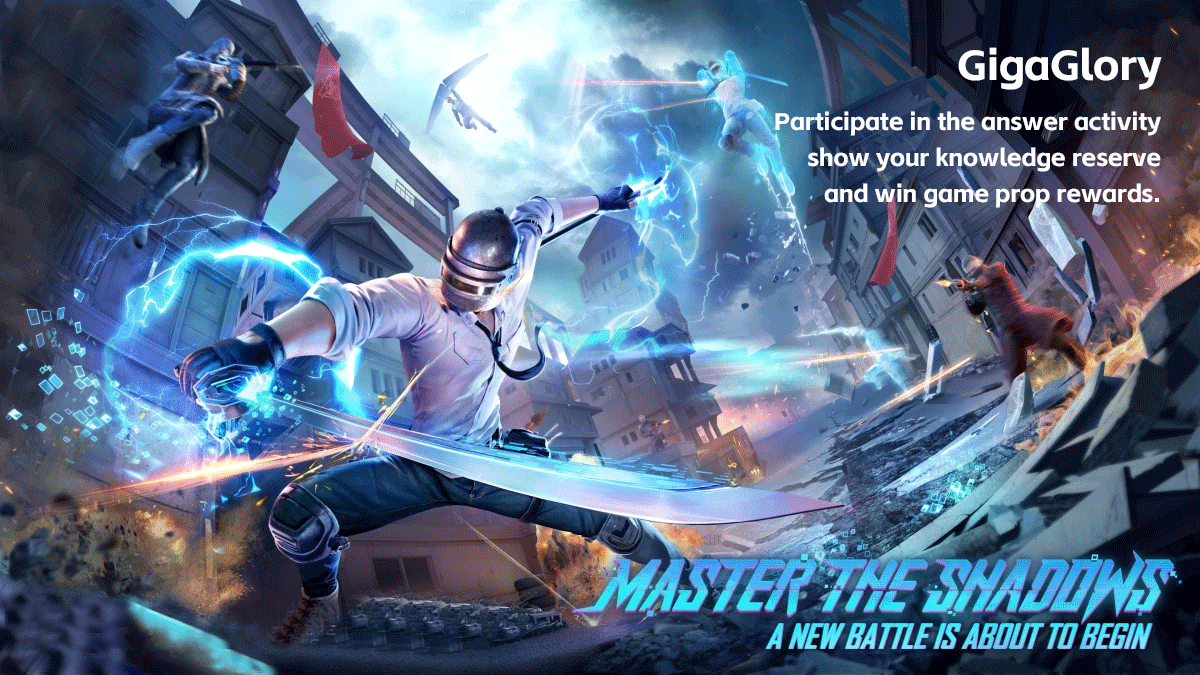
When thinking about idle gameplay mechanics, Delta Force Mobile offers engaging elements. The game presents unique combinations of strategy and automatic gameplay, making it a good bridge for transitioning players.
Features of Delta Force Mobile
- Real-time battle management alongside automated actions.
- Progression through both active and idle mechanics.
- Interactive community with social elements.
Challenges and Considerations

While the transition from MMORPGs to idle games is intriguing, there are challenges players face. Recognizing these can enhance the experience moving forward.
Pace of Engagement
Players accustomed to the real-time nature of MMORPGs might find idle games slower than they expect. This can lead to impatience or disinterest if not adequately addressed.
Design Aspects
Game design plays a crucial role in how successful the transition can be. Developers must innovate to keep both MMORPGs and idle games fresh and engaging.
Conclusion
In conclusion, MMORPGs serve as the perfect gateway to the world of idle games. The compelling elements of community, resource management, and strategic thinking found in MMORPGs make players more likely to appreciate the mechanics of idle games while seeking a different kind of engagement. Understanding these connections could enhance the gaming experiences for millions.
FAQ
1. What defines an MMORPG?

MMORPGs are online games where a massive number of players interact in a virtual world, often having expansive stories and quests.
2. How do idle games work?

People don’t need to be actively playing for progression to occur; they collect resources even when they are not logged in.
3. Can MMORPG elements be found in idle games?

Yes, many idle games borrow elements from MMORPGs, including resource management and character progression.