Why Simulation RPG Games Are Redefining the Gaming Experience in 2023?
Introduction to Simulation RPG Games
Simulation RPG games have taken the gaming landscape by storm in 2023. With advancements in technology, these games offer a unique blend of immersive storytelling and realistic simulations. The key to their rising popularity lies in their ability to provide players with experiences that are both engaging and reflective of real-world dynamics.
The Evolution of RPG Games
Role-playing games have a rich history, transitioning from simple text-based adventures to complex 3D environments that allow for deep character interactions. In recent years, the introduction of simulation elements has taken RPGs to a whole new level.
What Makes Simulation RPG Games Unique?
- Realistic character development
- Interactive environments
- Rich storylines influenced by player choices
- Complex game mechanics that mimic real-life scenarios
The Impact of Advanced Graphics
One of the most noticeable improvements in RPG simulation games is the graphics. Today’s technology allows for detailed character models and expansive environments that make the gaming experience more lifelike. Players are no longer just moving through a game; they are living in it.
Player Choice and Its Consequences
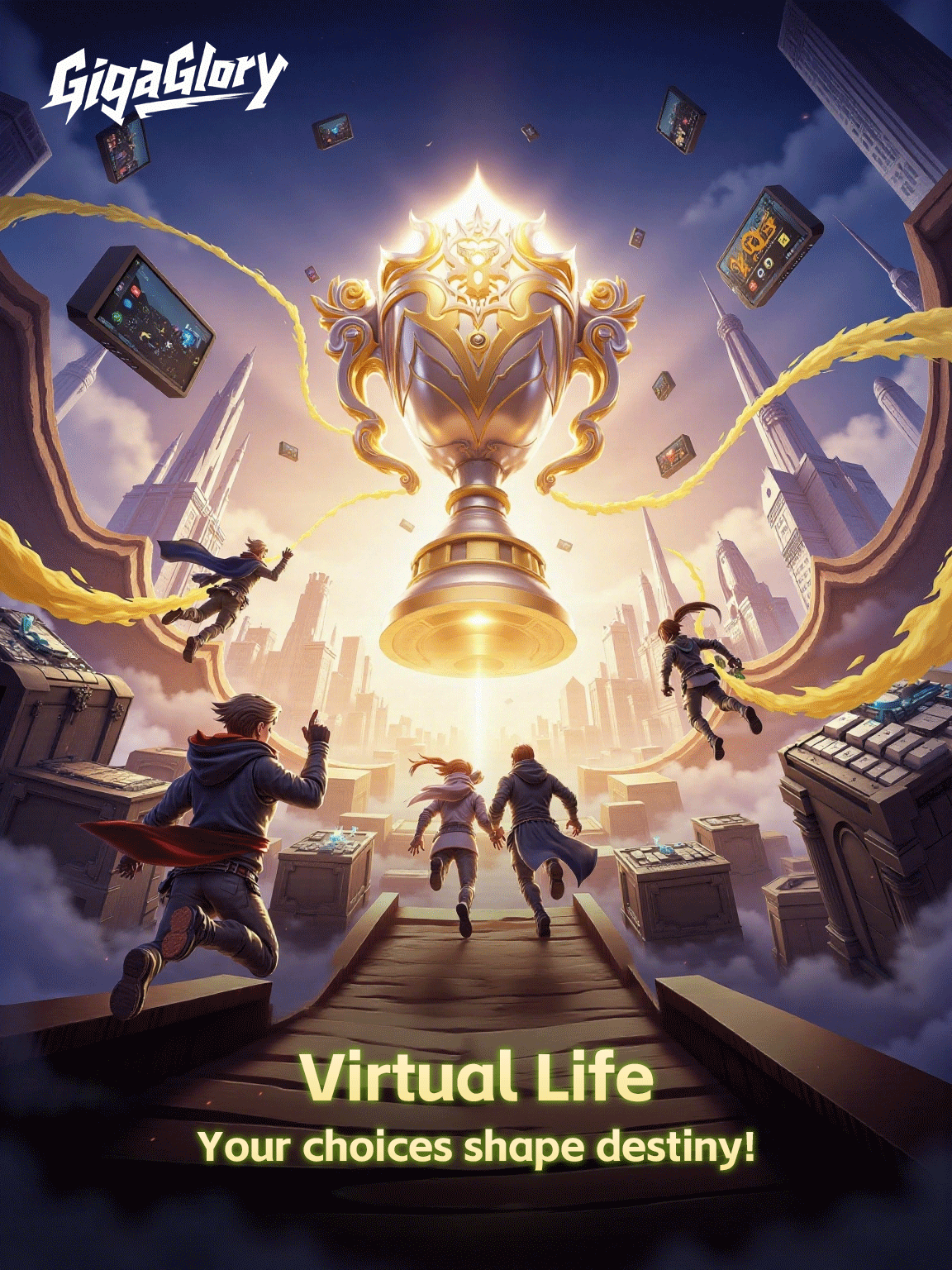
In simulation RPGs, every decision carries weight. This is notably different from earlier RPGs where choices had limited repercussions. Now, players must think critically about their actions, as they can shape the story and their character’s development significantly.
The Rise of Wind Story RPG Simulation Games
Notable examples, such as Wind Story, have captured the imagination of many, blending environmental elements with narrative. Players can shape the world around them, experiencing various outcomes based on their choices. This adaptability invites players to explore different scenarios, enhancing replayability.
Understanding Crash Injury Risks: A Case Study
From an analytical viewpoint, simulation RPG games also engage in thematic concerns, such as crash injury risks for obese occupants using a matched-pair analysis, which can mirror real-realm issues within the game. This duality of entertainment and education is a hallmark of modern simulation RPGs.
Game Design and Storytelling
The marriage of game design and storytelling in simulation RPGs is paramount. Developers now employ narrative structures that are dynamic, with multiple endings based on the player's journey. This requires intricate planning and an understanding of holistic game mechanics.
Player Communities and Social Interaction
The social fabric of simulation RPG games cannot be ignored. Players often form communities where they discuss strategies and share their in-game experiences. This social interaction adds another layer of depth to the gaming experience, making it more enjoyable.
Technological Innovations Driving Simulation RPG Growth
There are several technological advancements fueling the growth of simulation RPG games:
| Technology | Impact |
|---|---|
| Artificial Intelligence | Enhanced NPC interactions and realism |
| Virtual Reality | Immersive environments that pull players in |
| Cloud Gaming | Accessibility to high-quality games on various devices |
Balancing Fun and Realism
A critical aspect of simulation RPGs is finding the right balance between entertainment and realism. While players enjoy the game’s realism, it must also provide an escape from the stressful realities of life. Games must be designed thoughtfully to ensure they remain fun while incorporating educational elements.
Marketing Trends within Simulation RPGs
The marketing strategies surrounding simulation RPGs are also evolving. Developers are increasingly utilizing social media platforms to create hype and engage potential players before release. This has proven effective in building anticipation and fostering community engagement.
Future Prospects for Simulation RPG Games
Looking ahead, the future of simulation RPG games appears bright. As technology continues to evolve, we can anticipate even more revolutionary gameplay experiences. Factors such as augmented reality and smart algorithms will expand the boundaries of what simulation RPGs can achieve.
Challenges Ahead
Despite the promising future, there are challenges to consider. The gaming industry faces issues like game fatigue, where players feel overwhelmed by choices and mechanics. Developers must innovate continuously to maintain player interest and engagement.
Conclusion
In conclusion, simulation RPG games are redefining the gaming experience in stimulating ways. They marry storytelling with realism, engaging players on multiple levels. By continuously evolving, they not only entertain but also educate. As we look forward to the innovations on the horizon, it's clear that simulation RPGs will have a significant impact on how games are designed and experienced in the future.